01
Initial Assessment
A review of seating and soft elements to determine fabric types, condition and appropriate cleaning methods.
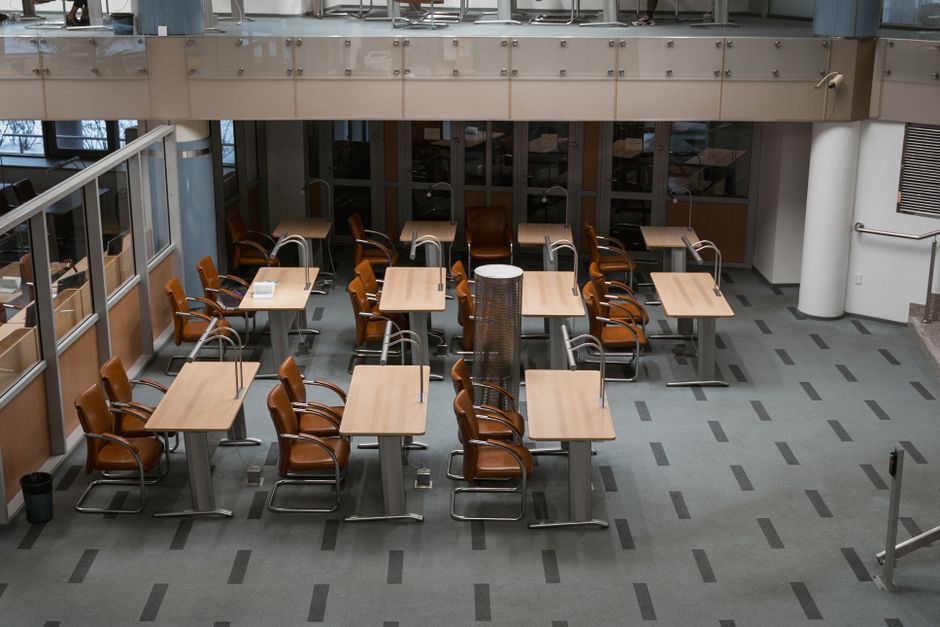
CleanSeat provides scheduled cleaning for office chairs and soft elements, a method for maintaining hygiene in offices and coworking spaces subject to regular use. Services follow an agreed timetable, with scope depending on materials and site conditions.
Request a Cleaning ScheduleCleanSeat follows a structured method for cleaning office seating and soft elements within workspaces. Work is carried out on office chairs and upholstered components such as partition panels, focusing on areas affected by routine use. The service is intended for companies and coworking spaces that want to maintain hygiene across shared environments. Cleaning is organised around a mutually agreed schedule, so repeated sessions fit into existing operational routines. The steps involved include a site assessment, preparation of the workspace, treatment of the relevant textile surfaces, and clear handover. Suitability and timing depend on factors such as fabric type, occupancy, and scope of the work, while onsite or offsite arrangements are planned in advance according to each client's preferences. A written plan outlines the scope of work and may be reviewed again before further sessions.
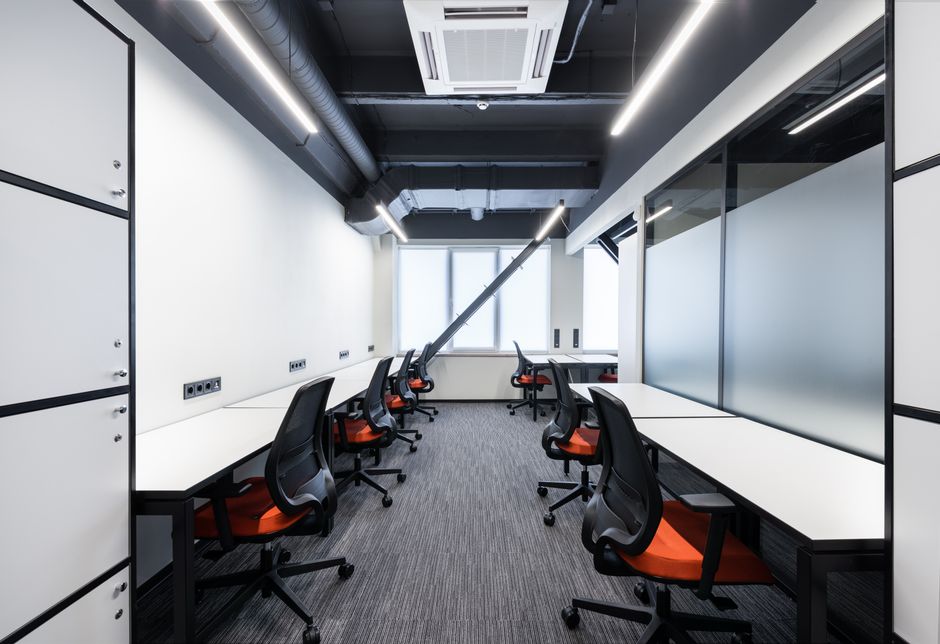
During everyday use, office chairs and soft partitions accumulate soiling over time. This is a normal contextual factor of any active workspace, not a guaranteed consequence. Cleaning may be considered as part of workplace hygiene routines to help manage such accumulation. The pace of soiling depends on usage patterns, materials, and environmental conditions. CleanSeat offers scheduled cleaning as one option among several approaches to maintaining workplace furnishings.
A review of seating and soft elements to determine fabric types, condition and appropriate cleaning methods.
Cleaning sessions are arranged according to the client's timetable, with minimal disruption to daily operations.
The work area is set up with protective coverings and necessary equipment before cleaning begins.
Chairs and soft elements are cleaned using suitable techniques, followed by a final check of the treated areas.
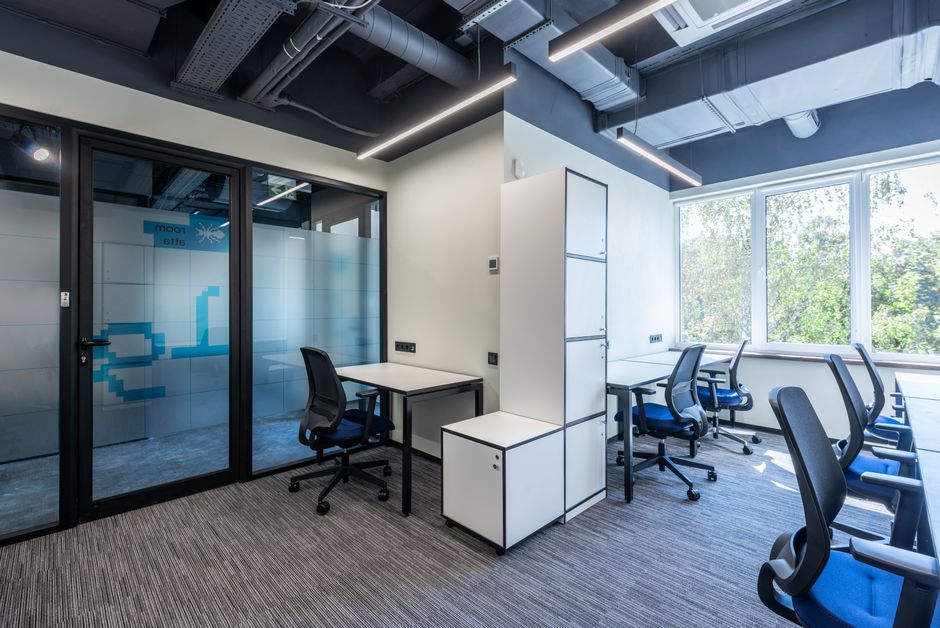
CleanSeat focuses on soft elements within commercial environments, including office chairs, partitions, and similar upholstered items. The service is structured for workplaces such as offices and coworking spaces, where these items see regular use. Cleaning can be arranged on a recurring schedule to align with operational routines. The approach is process-oriented, with methods adapted to the specific item and setting. No claims are made about specific outcomes; results depend on material, condition, and other contextual factors. CleanSeat provides a framework for maintaining soft furnishings as part of a broader hygiene routine.
Scheduling plays a key role in maintaining office furniture hygiene by providing a structured framework for cleaning. The appropriate frequency depends on usage intensity, workplace size, and other contextual factors such as occupancy patterns and material types. Rather than a fixed rule, scheduling is best viewed as a flexible tool that can be adjusted to the specific needs of each office environment.
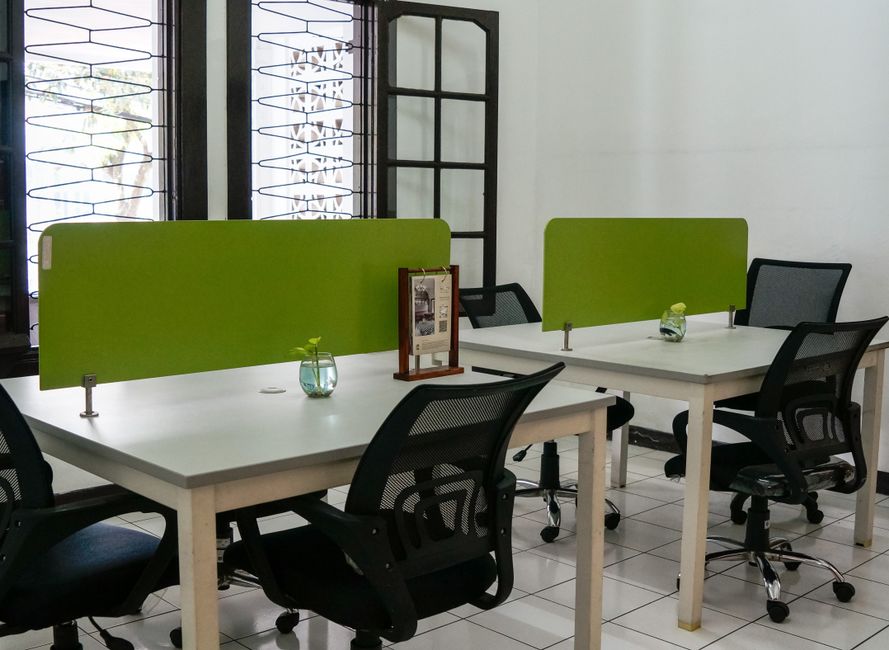
Cleaning focuses on office chairs, dividers, and soft furnishings used daily in workspaces.
Service is structured for business environments, including coworking spaces and shared office settings.
Cleaning can be arranged on a recurring schedule to align with workplace routines and maintenance plans.
Each cleaning follows a defined method, with steps adapted to the furniture type and site conditions.
In workplace settings, furniture hygiene is influenced by daily usage patterns, material composition, and established maintenance routines. High-traffic areas, such as shared seating and partition screens, may accumulate particulates based on occupancy levels and cleaning schedules. Material types—including fabric, mesh, and foam—react differently to cleaning methods, and their condition over time depends on environmental factors like humidity and sunlight exposure. Maintenance routines vary widely across organisations and are typically determined by internal protocols, available resources, and operational hours. CleanSeat provides cleaning services that align with client-defined schedules and specifications. Decisions regarding cleaning frequency and method selection are made by the client, as outcomes are influenced by multiple external factors including furniture age, prior care, and specific workplace conditions.
CleanSeat provides specialised cleaning for office chairs and soft furnishings across the United Kingdom. Suitable for companies and coworking spaces, our service focuses on maintaining hygiene in high-use work environments. The process is designed for scheduled implementation, tailored to the operational needs of each organisation. In many workplace settings, consistent cleaning can help manage the accumulation of dirt on frequently used items; however, outcomes may vary based on material, usage, and other factors. All arrangements are made transparently and flexibly, ensuring that cleaning routines are integrated with minimal disruption. Clear communication about our methods and procedures allows clients to make informed decisions.

Initial review of furniture types, usage patterns, and site access to establish a documented cleaning plan.
Scheduling visits around office hours and coordinating access with facilities managers or workplace teams.
Trained technicians carry out cleaning using established methods, with attention to minimal disruption and material suitability.
Periodic checks and adjustments to the plan based on feedback and changing workplace conditions over time.
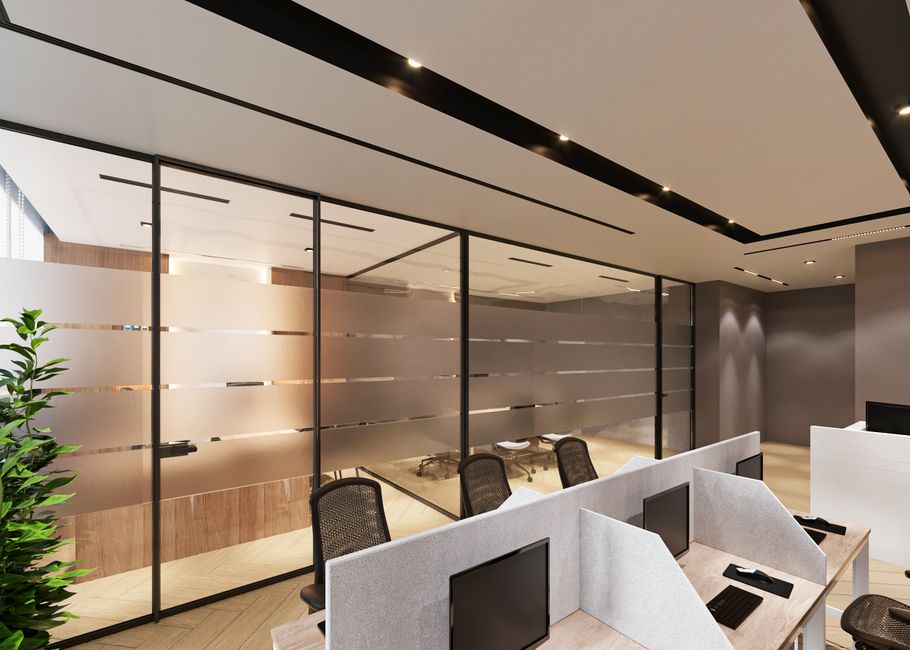
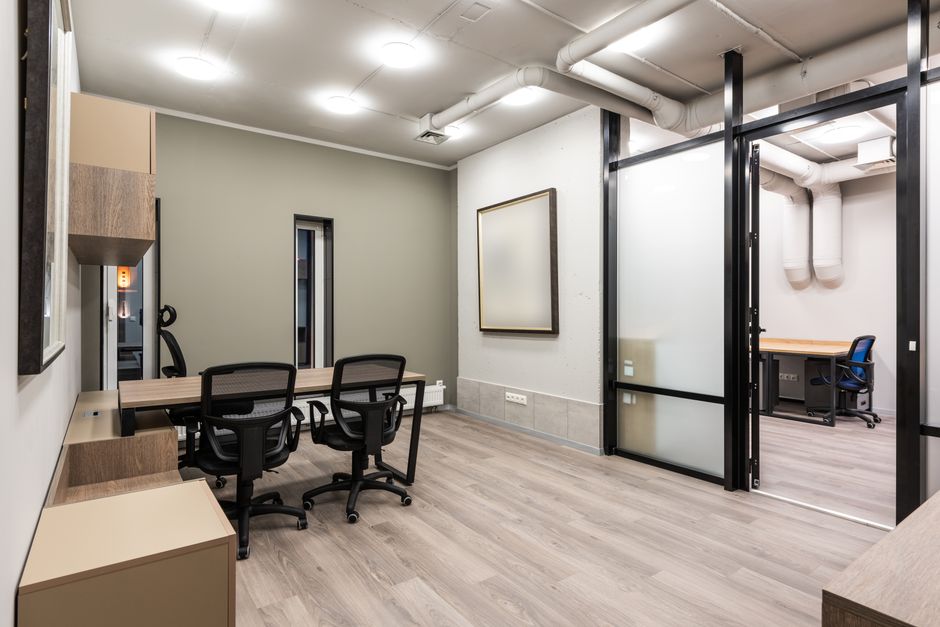
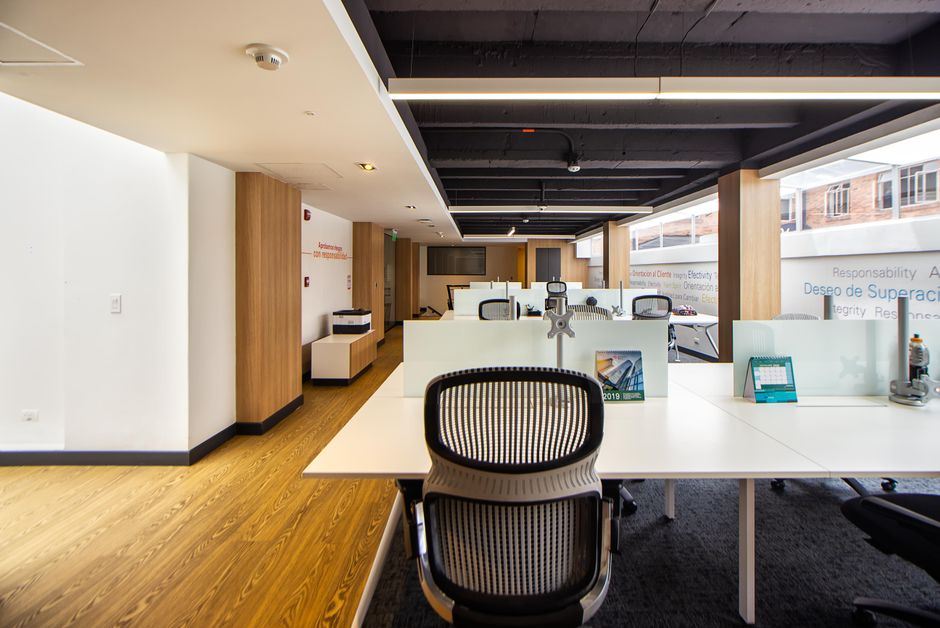
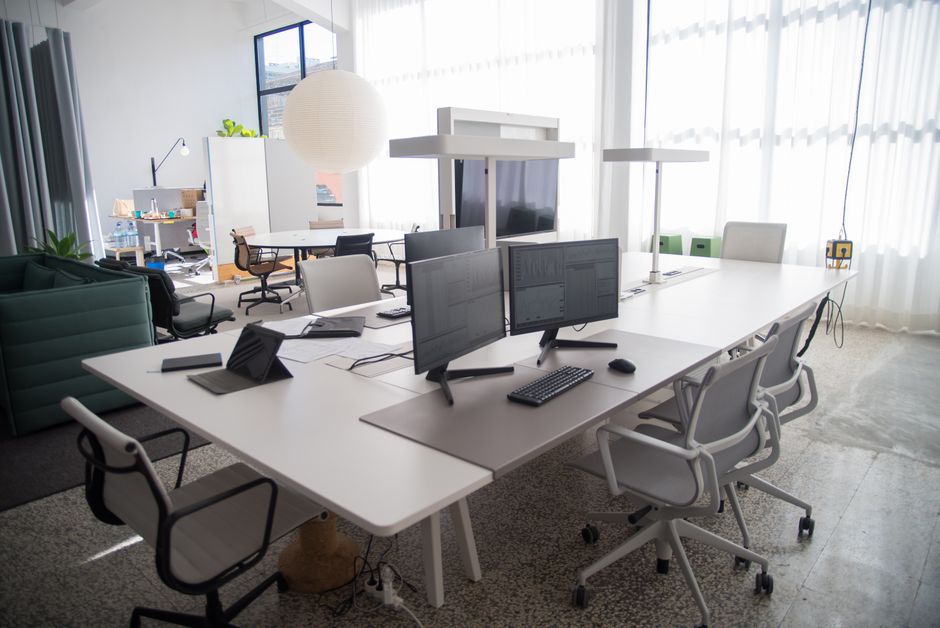
CleanSeat provides scheduled cleaning of office chairs and soft elements for companies and coworking spaces across the United Kingdom. The service is organised as a structured, process-oriented framework: initial assessments inform a cleaning plan, which is then carried out at agreed intervals. Arrangements are made according to each client’s operational schedule and specific workplace requirements, including chair types, fabric specifications, and usage levels. This approach supports hygiene maintenance in shared and individual workspaces through consistent procedures, with details adapted to the context of each site.
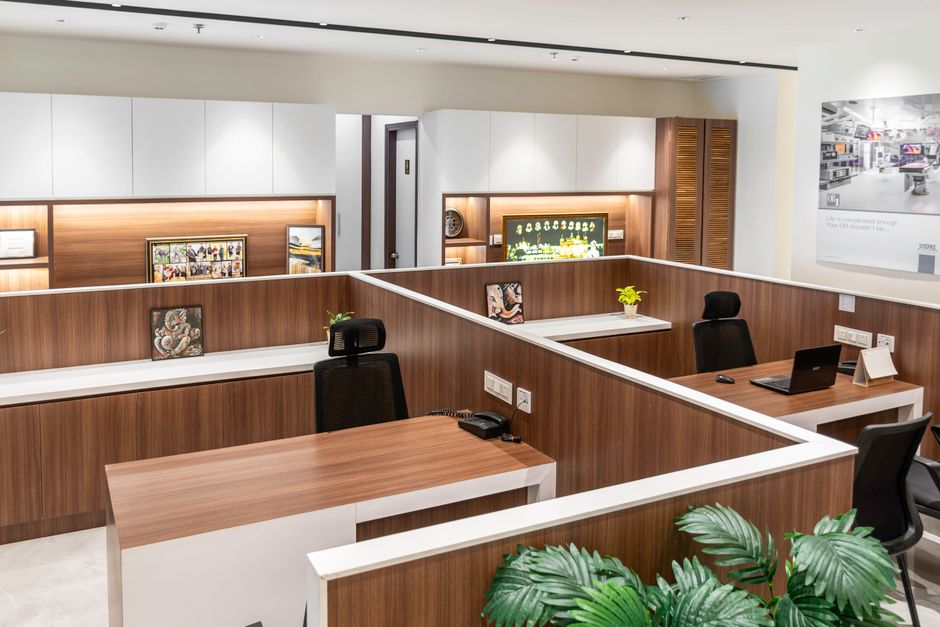
When organising office furniture cleaning, practical factors such as access to premises, timing, and coordination with workplace routines often shape the process. Access arrangements may include building entry procedures, security protocols, and the availability of lifts or service corridors. Timing considerations can involve scheduling around core business hours or considering periods of lower occupancy, such as evenings or weekends. Coordination with workplace routines may require aligning cleaning activities with meeting schedules, break times, or shift patterns. These contextual elements can influence the planning and execution of cleaning tasks. CleanSeat works according to agreed schedules, taking into account the specific access and timing requirements of each site. The suitability of any particular arrangement depends on factors such as building regulations, site-specific policies, and operational constraints, which should be reviewed on an individual basis.
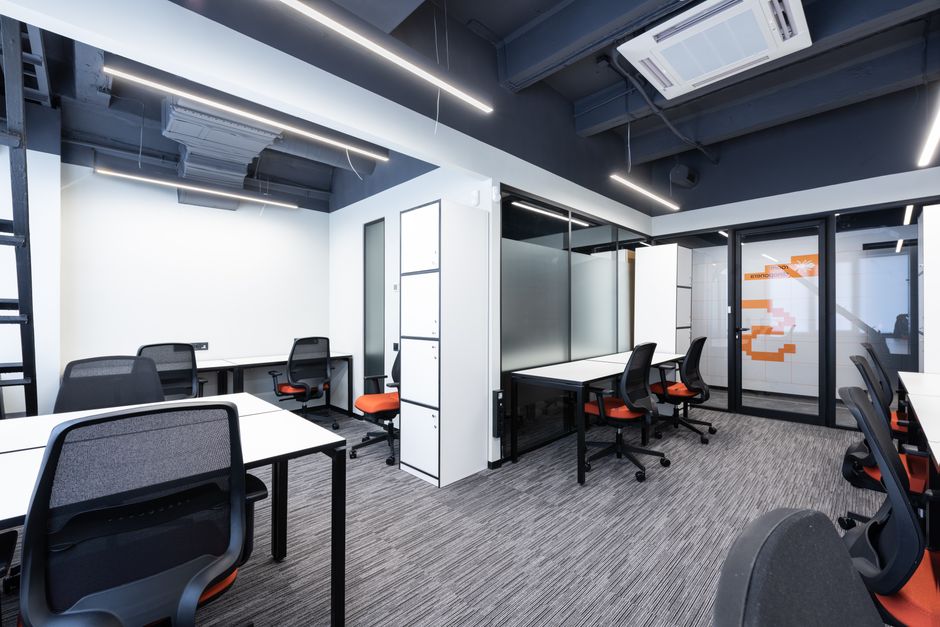
Cleaning processes applicable to fabric and upholstered office chairs using established methods.
Treatment of soft furnishings such as partitions and seating in workspaces as part of hygiene routines.
Service designed for organisations and shared workspaces seeking structured furniture maintenance.
Work carried out according to agreed schedules to maintain consistent hygiene practices.
Contact form for office furniture cleaning enquiries; contact details and map provided, with enquiries handled during standard business hours subject to availability.